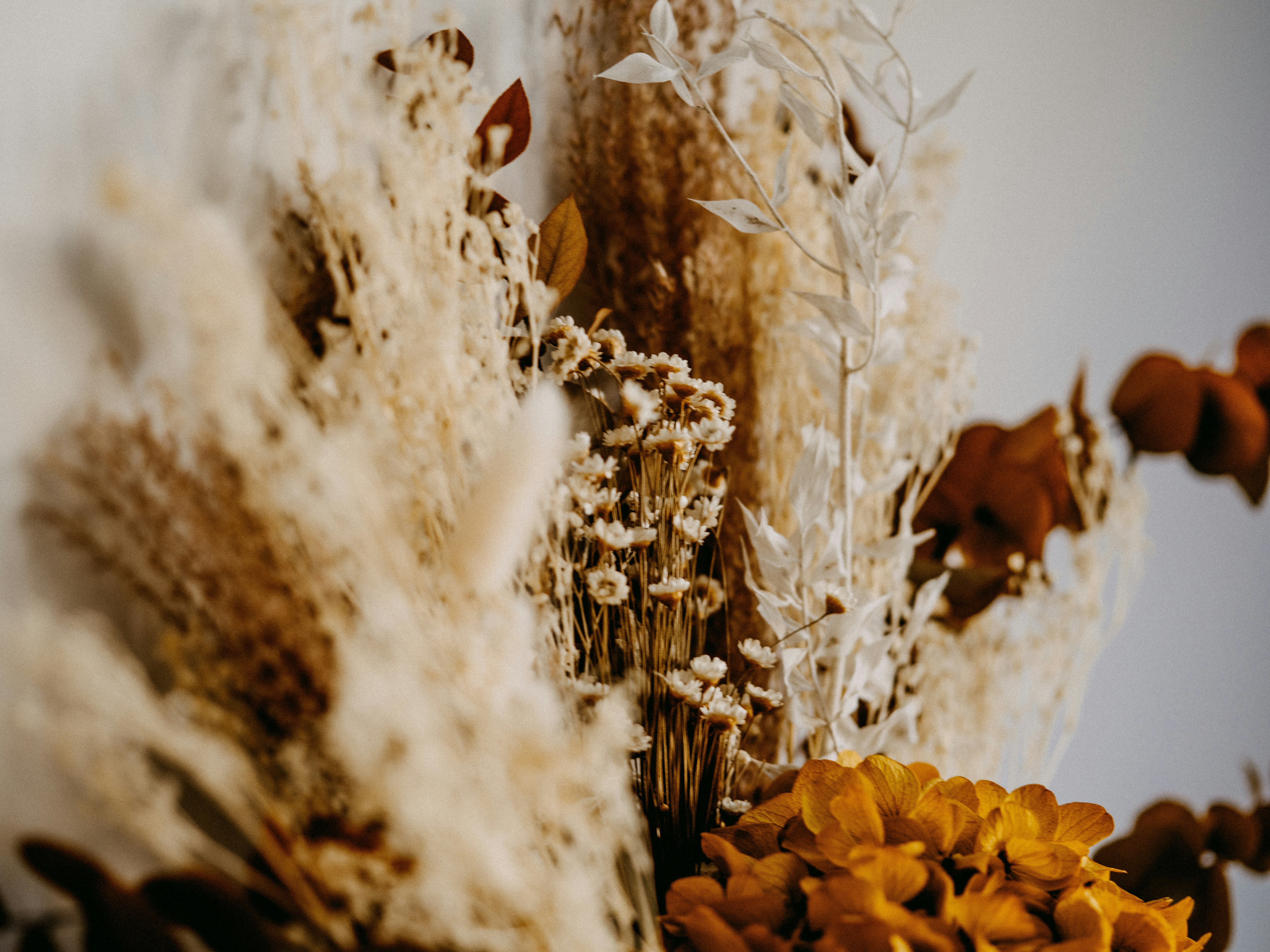
Flower Preservation teaches youth how to capture the beauty of flowers and plant materials so they can be enjoyed long after their blooms fade. You can learn a variety of preservation methods — from pressing and air-drying to silica gel and microwave techniques — while exploring how moisture, timing, and handling affect the final result. Through hands-on projects, 4-H youth develop observational skills, patience, and creativity as they prepare flowers for artistic displays, educational posters, wearable arts, décor, and special keepsakes.
Exploring 4-H Floriculture - Flower Preservation
Spark Activity: Press and Preserve a Bloom
Try this simple activity to explore how flowers can be preserved and transformed into lasting art.
What You’ll Need:
- 2–3 fresh flowers or leafy stems (avoid thick or very moist blooms)
- Paper towels or plain white paper
- A heavy book
- Additional heavy objects (optional)
- Pencil and notebook
What To Do:
- Select your plant material, choosing flowers that are freshly opened and dry (no dew or moisture).
- Prepare for pressing, placing the flower flat between two sheets of paper towel or plain paper. Spread petals and leaves so they do not overlap too much.
- Press carefully and place the paper inside a heavy book. Add extra weight on top if needed.
- Wait and observe, leaving the paper undisturbed for 7–10 days.
- Reveal your results by gently removing the pressed flower and comparing it to how it looked when fresh.
Reflect:
- How did the color or texture change?
- Were some flowers easier to press than others? Why?
- What would you do differently next time?
4-H Project Levels and Goals
Beginner
- Learn basic plant anatomy and how it affects preservation
- Practice easy methods such as pressing and air-drying
- Identify flowers suitable for different preservation techniques
- Begin keeping a simple process journal
Intermediate
- Explore advanced methods such as silica gel or microwave drying
- Compare two or more preservation techniques
- Create projects for display (e.g., framed pressed art, dried arrangements)
- Document results with photos and observations
Advanced
- Conduct experiments and analyze differences between methods
- Create complex artistic displays or wearable pieces using preserved flowers
- Teach preservation techniques to other youth
- Present findings and best practices at educational events or fairs
Put Your Project Into Action
Show Your Skills
- Create a pressed flower art piece with labels and descriptions
- Compare different drying methods and share results on a display board
- Build a dried floral or herb arrangement with a theme
- Create wearable art using preserved material (pins, headbands, etc.)
Service and Leadership
- Lead a workshop on flower pressing or drying
- Create preserved floral décor for a community event
- Share plant preservation techniques with younger 4-H members
- Volunteer to display youth work at a local library or public garden
- Donate a preserved flower design to beautify a local care center or hospital
Entrepreneurship
- Create preserved flower products to sell (bookmarks, jewelry, prints)
- Offer custom pressed art for friends/family
- Develop care instructions or tutorial cards for customers
- Partner with local businesses to showcase your work
Technology Connection
- Photograph preservation steps and build a digital timeline
- Create how-to videos or tutorial graphics
- Use design software to lay out comparison charts or posters
- Explore online preservation communities for research and inspiration
- Utilize social media to promote your work
Connecting with a Mentor
- Local florist or floral designer
- Illinois Extension Master Gardener volunteers
- Art teachers or botanical artists
- Botanical garden staff
- Horticulture educators
Events
- 4-H County Flower Preservation Exhibits
- Illinois 4-H State Fair
- Flower Science Workshops
- Horticulture Judging Events
Project Manuals & Exhibit Requirements
The Floriculture project area is in the process of undergoing an update to better reflect the skills required to be a successful floriculturist. The 4-H Project Booklets available through Shop 4-H will continue to be acceptable resources to guide your learning.
You will also be able to access our Project Resource Preview, which will describe how you can find and share your own Floriculture educational resources (provided they are from reputable sources.) 4-H Floriculture - Flower Preservation Resource Preview
Purchase 4-H manuals on the Shop Illinois 4-H Store.
View exhibit requirements and scoresheets on the Illinois State Fair page.
Careers
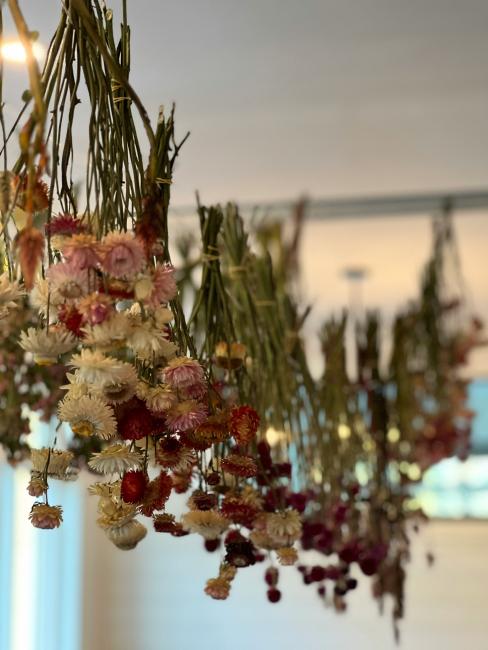
- Florist / Floral Designer
- Botanical Illustrator / Artist
- Horticulture Educator
- Greenhouse or Nursery Professional
- Arborist / Plant Conservator
- Extension Educator
- Museum or Herbarium Technician
Start a Conversation
- Why did you choose the preservation method you used?
- How did environmental factors affect your results?
- What did you learn about plant structure during your process?
- How could you apply preservation skills in other projects or careers?
Credits
Illinois 4-H Project Guide
University of Illinois Extension staff who contributed to this resource include Kathy Book and Mark Becker.
